
Cutting, Punching, and Press Machine Setters, Operators, and Tenders, Metal and Plastic
Does this career fit your work personality?
Begin The Career Assessment Test- Best Fitting Careers
- Work Personality Strengths
- Work Style Preferences
- and more
Job Outlook
Overall employment of metal and plastic machine workers is projected to decline 6 percent from 2022 to 2032.
Despite declining employment, about 90,800 openings for metal and plastic machine workers are projected each year, on average, over the decade. All of those openings are expected to result from the need to replace workers who transfer to other occupations or exit the labor force, such as to retire.
Education Details
Summary of What they do:
Set up, operate, or tend machines to saw, cut, shear, slit, punch, crimp, notch, bend, or straighten metal or plastic material.
What Metal and Plastic Machine Workers Do
Metal and plastic machine workers set up and operate equipment that cuts, shapes, and forms metal and plastic materials or pieces.
Duties
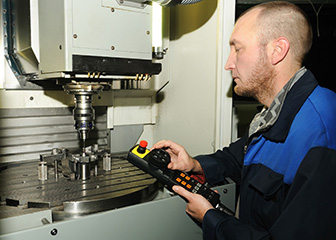
Metal and plastic machine workers typically do the following:
- Set up and adjust machines according to blueprints
- Monitor machines status to ensure proper functioning
- Insert material into machines, either manually or using material handling equipment
- Operate shaping and forming equipment, such as metal or plastic molding, casting, or coremaking machines
- Operate stock removal metalworking machines, such as lathes or mills
- Adjust machine settings for temperature, cycle times, and speed and feed rates
- Remove finished products and document output in a database
- Measure, test, and inspect finished workpieces according to blueprints
- Observe and adjust or replace dull or damaged cutting tools
Metal and plastic machine workers operate equipment that creates the parts for consumer products. In general, these workers are separated into two groups: those who set up machines for operation and those who operate machines during production. However, many workers perform both tasks.
Although many workers both set up and operate machines, some specialize in being either a machine setter or a machine operator and tender.
Machine setters, or setup workers, prepare the machines before production, do test runs, and, if necessary, adjust and make minor repairs to the machinery before and during operation. Computer numerically controlled (CNC) setters upload computer control programs.
After installing the tools into a machine, setup workers often produce the initial batch of goods, inspect the products, and turn over the machine to an operator.
Machine operators and tenders monitor the machinery during production.
After a setter prepares a machine for production, an operator observes the machine and the products it makes. Operators may have to load the machine with materials for production or adjust machine speeds during production. They must periodically inspect the parts that a machine produces to ensure everything works properly, repairing equipment as needed. For example, the parts a machine produces may show defects if the cutting tool inside a machine becomes dull or damaged after extended use. When that happens, it is common for an operator to remove the worn tool and replace it with a new one produced by tool and die makers. Operators may fix minor problems themselves but may have an industrial machinery mechanic fix more serious problems.
Setters, operators, and tenders are usually identified by the type of machine they work with. Job duties generally vary with the size of the manufacturer and the type of machine being operated. Although some workers specialize in one or two types of machines, others are trained to set up or operate a variety of them. Automation often allows machine operators to control multiple machines at the same time.
In addition, production techniques, such as team-oriented “lean” manufacturing, require machine operators to rotate between different machines. Rotating assignments results in more varied work but also requires workers to have a range of skills.
The following are examples of types of metal and plastic machine workers:
Computer numerically controlled tool operators operate CNC equipment or robots to perform functions on metal or plastic workpieces.
Computer numerically controlled tool programmers develop computer programs to control the machining or processing of metal or plastic parts by automatic machine tools, equipment, or systems.
Cutting, punching, and press machine setters, operators, and tenders set up or operate machines to saw, cut, shear, notch, bend, or straighten metal or plastic materials.
Drilling and boring machine tool setters, operators, and tenders set up or operate drilling machines to drill, bore, mill, or countersink metal or plastic workpieces.
Extruding and drawing machine setters, operators, and tenders set up or operate machines to extrude (pull out) thermoplastic or metal materials in the form of tubes, rods, hoses, wire, bars, or structural shapes.
Forging machine setters, operators, and tenders set up or operate machines that shape or form metal or plastic into parts.
Foundry mold and coremakers make or form wax or sand cores or molds used in the production of metal castings in foundries.
Grinding, lapping, polishing, and buffing machine tool setters, operators, and tenders set up or operate grinding and related machine tools that remove excess material from surfaces, sharpen edges or corners, or buff or polish metal or plastic workpieces.
Heat-treating equipment setters, operators, and tenders set up or operate heating equipment, such as heat-treating furnaces, flame-hardening machines, induction machines, soaking pits, or vacuum equipment, to temper, harden, anneal, or heat treat metal or plastic objects.
Lathe and turning machine tool setters, operators, and tenders set up or operate lathe and turning machines to turn, bore, thread, or form metal or plastic materials, such as bars, rods, and castings.
Metal-refining furnace operators and tenders operate or tend furnaces, such as gas, oil, coal, electric-arc or electric-induction, and oxygen furnaces. These furnaces may be used to melt and refine metal before casting.
Milling and planing machine setters, operators, and tenders set up or operate milling or planing machines to shape, groove, or profile metal or plastic workpieces.
Model makers set up and operate machines, such as milling and engraving machines, to make working models of metal or plastic objects. They may also use 3D printing technology.
Molding, coremaking, and casting machine setters, operators, and tenders set up or operate metal or plastic molding, casting, or coremaking machines to mold or cast metal or thermoplastic parts or products.
Multiple machine tool setters, operators, and tenders set up or operate two or more types of cutting or forming machine tool or robot.
Patternmakers lay out, machine, fit, and assemble castings and parts to metal or plastic foundry patterns and core molds.
Plating machine setters, operators, and tenders set up or operate plating machines and perform chemical checks for coating metal or plastic products with zinc, copper, nickel, or some other metal to protect or decorate surfaces.
Pourers and casters operate computer- or hand-controlled machines to pour and regulate the flow of molten metal into molds to produce castings or ingots.
Rolling machine setters, operators, and tenders set up or operate machines to roll steel or plastic or to flatten, temper, or reduce the thickness of materials.
Welding, soldering, and brazing machine setters, operators, and tenders (including workers who operate laser cutters or laser-beam machines) set up or operate welding, soldering, or brazing machines or robots that weld, braze, solder, or heat treat metal products, components, or assemblies.
Important Qualities
Computer skills. Metal and plastic machine workers must be able to use programmable devices, computers, and robots on the factory floor.
Mechanical skills. These workers must be comfortable with machines and have a good understanding of how all the parts work.
Physical stamina. Metal and plastic machine workers must be able to stand for long periods and do repetitive tasks.
Physical strength. Metal and plastic machine workers must be able to secure and tighten heavy fixtures into place.
Tasks On The Job
- Adjust ram strokes of presses to specified lengths, using hand tools.
- Clean and lubricate machines.
- Clean work area.
- Examine completed workpieces for defects, such as chipped edges or marred surfaces and sort defective pieces according to types of flaws.
- Grind out burrs or sharp edges, using portable grinders, speed lathes, or polishing jacks.
- Hone cutters with oilstones to remove nicks.
- Install, align, and lock specified punches, dies, cutting blades, or other fixtures in rams or beds of machines, using gauges, templates, feelers, shims, and hand tools.
- Load workpieces, plastic material, or chemical solutions into machines.
- Lubricate workpieces with oil.
- Mark identifying data on workpieces.
- Measure completed workpieces to verify conformance to specifications, using micrometers, gauges, calipers, templates, or rulers.
- Operate forklifts to deliver materials.
- Place workpieces on cutting tables, manually or using hoists, cranes, or sledges.
- Plan sequences of operations, applying knowledge of physical properties of workpiece materials.
- Position, align, and secure workpieces against fixtures or stops on machine beds or on dies.
- Position guides, stops, holding blocks, or other fixtures to secure and direct workpieces, using hand tools and measuring devices.
- Preheat workpieces, using heating furnaces or hand torches.
- Read work orders or production schedules to determine specifications, such as materials to be used, locations of cutting lines, or dimensions and tolerances.
- Remove housings, feed tubes, tool holders, or other accessories to replace worn or broken parts, such as springs or bushings.
- Replace defective blades or wheels, using hand tools.
- Scribe reference lines on workpieces as guides for cutting operations, according to blueprints, templates, sample parts, or specifications.
- Select, clean, and install spacers, rubber sleeves, or cutters on arbors.
- Set blade tensions, heights, and angles to perform prescribed cuts, using wrenches.
- Set stops on machine beds, change dies, and adjust components, such as rams or power presses, when making multiple or successive passes.
- Set up, operate, or tend machines to saw, cut, shear, slit, punch, crimp, notch, bend, or straighten metal or plastic material.
- Sharpen dulled blades, using bench grinders, abrasive wheels, or lathes.
- Start machines, monitor their operations, and record operational data.
- Test and adjust machine speeds or actions, according to product specifications, using gauges and hand tools.
- Turn controls to set cutting speeds, feed rates, or table angles for specified operations.
- Turn valves to start flow of coolant against cutting areas or to start airflow that blows cuttings away from kerfs.
- Use equipment designed to join sheet metal, such as spot welders.




PERSONALITY
| Your Assessment Results |
CAREER CHARACTERISTICS
Importance
|
|---|
|
?
? ? ?
|
78% | Attention to Detail - Job requires being careful about detail and thorough in completing work tasks. | |
|
?
? ? ?
|
78% | Dependability - Job requires being reliable, responsible, and dependable, and fulfilling obligations. | |
|
?
? ? ?
|
73% | Independence - Job requires developing one's own ways of doing things, guiding oneself with little or no supervision, and depending on oneself to get things done. | |
|
?
? ? ?
|
67% | Initiative - Job requires a willingness to take on responsibilities and challenges. | |
|
?
? ? ?
|
65% | Self-Control - Job requires maintaining composure, keeping emotions in check, controlling anger, and avoiding aggressive behavior, even in very difficult situations. | |
|
?
? ? ?
|
65% | Integrity - Job requires being honest and ethical. | |
|
?
? ? ?
|
64% | Innovation - Job requires creativity and alternative thinking to develop new ideas for and answers to work-related problems. | |
|
?
? ? ?
|
63% | Cooperation - Job requires being pleasant with others on the job and displaying a good-natured, cooperative attitude. | |
|
?
? ? ?
|
63% | Adaptability/Flexibility - Job requires being open to change (positive or negative) and to considerable variety in the workplace. | |
|
?
? ? ?
|
61% | Persistence - Job requires persistence in the face of obstacles. | |
|
?
? ? ?
|
59% | Achievement/Effort - Job requires establishing and maintaining personally challenging achievement goals and exerting effort toward mastering tasks. | |
|
?
? ? ?
|
59% | Concern for Others - Job requires being sensitive to others' needs and feelings and being understanding and helpful on the job. | |
|
?
? ? ?
|
58% | Analytical Thinking - Job requires analyzing information and using logic to address work-related issues and problems. | |
|
?
? ? ?
|
56% | Stress Tolerance - Job requires accepting criticism and dealing calmly and effectively with high-stress situations. | |
|
?
? ? ?
|
55% | Leadership - Job requires a willingness to lead, take charge, and offer opinions and direction. | |
| Your Assessment Results |
IMPORTANT STRENGTHS
Importance
|
|---|
|
?
? ? ?
|
98% | Realistic - Work involves designing, building, or repairing of equipment, materials, or structures, engaging in physical activity, or working outdoors. Realistic occupations are often associated with engineering, mechanics and electronics, construction, woodworking, transportation, machine operation, agriculture, animal services, physical or manual labor, athletics, or protective services. | |
|
?
? ? ?
|
55% | Conventional - Work involves following procedures and regulations to organize information or data, typically in a business setting. Conventional occupations are often associated with office work, accounting, mathematics/statistics, information technology, finance, or human resources. | |
| Your Assessment Results |
WORK VALUES
Importance
|
|---|
|
?
? ? ?
|
56% | Relationships - Occupations that satisfy this work value allow employees to provide service to others and work with co-workers in a friendly non-competitive environment. Corresponding needs are Co-workers, Moral Values and Social Service. | |
|
?
? ? ?
|
56% | Support - Occupations that satisfy this work value offer supportive management that stands behind employees. Corresponding needs are Company Policies, Supervision: Human Relations and Supervision: Technical. | |
APTITUDES
| Your Assessment Results |
ABILITIES | SKILLS
Importance
|
|---|
|
?
? ? ?
|
69% | Arm-Hand Steadiness - The ability to keep your hand and arm steady while moving your arm or while holding your arm and hand in one position. | |
|
?
? ? ?
|
69% | Control Precision - The ability to quickly and repeatedly adjust the controls of a machine or a vehicle to exact positions. | |
|
?
? ? ?
|
69% | Near Vision - The ability to see details at close range (within a few feet of the observer). | |
|
?
? ? ?
|
56% | Information Ordering - The ability to arrange things or actions in a certain order or pattern according to a specific rule or set of rules (e.g., patterns of numbers, letters, words, pictures, mathematical operations). | |
|
?
? ? ?
|
56% | Manual Dexterity - The ability to quickly move your hand, your hand together with your arm, or your two hands to grasp, manipulate, or assemble objects. | |
|
?
? ? ?
|
56% | Reaction Time - The ability to quickly respond (with the hand, finger, or foot) to a signal (sound, light, picture) when it appears. | |
|
?
? ? ?
|
53% | Selective Attention - The ability to concentrate on a task over a period of time without being distracted. | |
|
?
? ? ?
|
52% | Operation and Control - Controlling operations of equipment or systems. | |
| Your Assessment Results |
TASKS | ACTIVITIES
Importance
|
|---|
|
?
? ? ?
|
71% | Making Decisions and Solving Problems - Analyzing information and evaluating results to choose the best solution and solve problems. | |
|
?
? ? ?
|
71% | Handling and Moving Objects - Using hands and arms in handling, installing, positioning, and moving materials, and manipulating things. | |
|
?
? ? ?
|
71% | Identifying Objects, Actions, and Events - Identifying information by categorizing, estimating, recognizing differences or similarities, and detecting changes in circumstances or events. | |
|
?
? ? ?
|
70% | Controlling Machines and Processes - Using either control mechanisms or direct physical activity to operate machines or processes (not including computers or vehicles). | |
|
?
? ? ?
|
66% | Inspecting Equipment, Structures, or Materials - Inspecting equipment, structures, or materials to identify the cause of errors or other problems or defects. | |
|
?
? ? ?
|
64% | Monitoring Processes, Materials, or Surroundings - Monitoring and reviewing information from materials, events, or the environment, to detect or assess problems. | |
|
?
? ? ?
|
63% | Getting Information - Observing, receiving, and otherwise obtaining information from all relevant sources. | |
|
?
? ? ?
|
62% | Performing General Physical Activities - Performing general physical activities includes doing activities that require considerable use of your arms and legs and moving your whole body, such as climbing, lifting, balancing, walking, stooping, and handling materials. | |
|
?
? ? ?
|
59% | Documenting/Recording Information - Entering, transcribing, recording, storing, or maintaining information in written or electronic/magnetic form. | |
|
?
? ? ?
|
58% | Repairing and Maintaining Mechanical Equipment - Servicing, repairing, adjusting, and testing machines, devices, moving parts, and equipment that operate primarily on the basis of mechanical (not electronic) principles. | |
|
?
? ? ?
|
58% | Communicating with Supervisors, Peers, or Subordinates - Providing information to supervisors, co-workers, and subordinates by telephone, in written form, e-mail, or in person. | |
|
?
? ? ?
|
57% | Judging the Qualities of Objects, Services, or People - Assessing the value, importance, or quality of things or people. | |
| Your Assessment Results |
CONTEXT | ATTRIBUTES
Importance
|
|---|
|
?
? ? ?
|
97% | Wear Common Protective or Safety Equipment such as Safety Shoes, Glasses, Gloves, Hearing Protection, Hard Hats, or Life Jackets - How often does this job require wearing common protective or safety equipment such as safety shoes, glasses, gloves, hearing protection, hard hats or life-jackets? | |
|
?
? ? ?
|
94% | Exposed to Contaminants - How often does this job require working exposed to contaminants (such as pollutants, gases, dust or odors)? | |
|
?
? ? ?
|
93% | Pace Determined by Speed of Equipment - How important is it to this job that the pace is determined by the speed of equipment or machinery? (This does not refer to keeping busy at all times on this job.) | |
|
?
? ? ?
|
91% | Exposed to Sounds, Noise Levels that are Distracting or Uncomfortable - How often does this job require working exposed to sounds and noise levels that are distracting or uncomfortable? | |
|
?
? ? ?
|
91% | Spend Time Using Your Hands to Handle, Control, or Feel Objects, Tools, or Controls - How much does this job require using your hands to handle, control, or feel objects, tools or controls? | |
|
?
? ? ?
|
87% | Spend Time Making Repetitive Motions - How much does this job require making repetitive motions? | |
|
?
? ? ?
|
84% | Importance of Being Exact or Accurate - How important is being very exact or highly accurate in performing this job? | |
|
?
? ? ?
|
83% | Exposed to Hazardous Equipment - How often does this job require exposure to hazardous equipment? | |
|
?
? ? ?
|
79% | Time Pressure - How often does this job require the worker to meet strict deadlines? | |
|
?
? ? ?
|
78% | Importance of Repeating Same Tasks - How important are continuous, repetitive, physical activities (like key entry) or mental activities (like checking entries in a ledger) to performing this job? | |
|
?
? ? ?
|
76% | Face-to-Face Discussions with Individuals and Within Teams - How frequently does your job require face-to-face discussions with individuals and within teams? | |
|
?
? ? ?
|
72% | Exposed to Minor Burns, Cuts, Bites, or Stings - How often does this job require exposure to minor burns, cuts, bites, or stings? | |
|
?
? ? ?
|
69% | Indoors, Not Environmentally Controlled - How often does this job require working in an environment that is not environmentally controlled (like a warehouse without air conditioning)? | |
|
?
? ? ?
|
68% | Spend Time Standing - How much does this job require standing? | |
|
?
? ? ?
|
66% | Consequence of Error - How serious would the result usually be if the worker made a mistake that was not easily correctable? | |
|
?
? ? ?
|
61% | Physical Proximity - To what extent does this job require the worker to perform job tasks physically close to other people? | |
|
?
? ? ?
|
55% | Spend Time Bending or Twisting Your Body - How much does this job require bending or twisting your body? | |
|
?
? ? ?
|
54% | Work With or Contribute to a Work Group or Team - How important is it to work with or contribute to a work group or team in this job? | |
|
?
? ? ?
|
53% | Contact With Others - How much does this job require the worker to be in contact with others (face-to-face, by telephone, or otherwise) in order to perform it? | |
|
?
? ? ?
|
53% | Exposed to Very Hot or Cold Temperatures - How often does this job require working in very hot (above 90 F degrees) or very cold (below 32 F degrees) temperatures? | |
|
?
? ? ?
|
52% | Exposed to Hazardous Conditions - How often does this job require exposure to hazardous conditions? | |
|
?
? ? ?
|
51% | Frequency of Decision Making - How often is the worker required to make decisions that affect other people, the financial resources, and/or the image and reputation of the organization? | |
|
?
? ? ?
|
51% | Spend Time Walking or Running - How much does this job require walking or running? | |
|
?
? ? ?
|
66% | Duration of Typical Work Week - Number of hours typically worked in one week. | |
Work Environment
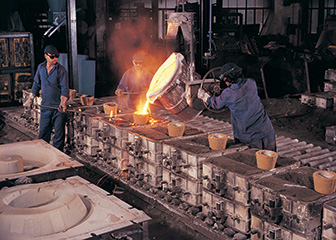
Metal and plastic machine workers held about 1.0 million jobs in 2022. Employment in the detailed occupations that make up metal and plastic machine workers was distributed as follows:
| Cutting, punching, and press machine setters, operators, and tenders, metal and plastic | 184,800 |
| Computer numerically controlled tool operators | 181,800 |
| Molding, coremaking, and casting machine setters, operators, and tenders, metal and plastic | 167,900 |
| Multiple machine tool setters, operators, and tenders, metal and plastic | 139,900 |
| Grinding, lapping, polishing, and buffing machine tool setters, operators, and tenders, metal and plastic | 75,000 |
| Extruding and drawing machine setters, operators, and tenders, metal and plastic | 64,300 |
| Plating machine setters, operators, and tenders, metal and plastic | 32,900 |
| Welding, soldering, and brazing machine setters, operators, and tenders | 32,900 |
| Computer numerically controlled tool programmers | 28,500 |
| Rolling machine setters, operators, and tenders, metal and plastic | 28,200 |
| Metal-refining furnace operators and tenders | 19,700 |
| Lathe and turning machine tool setters, operators, and tenders, metal and plastic | 19,700 |
| Heat treating equipment setters, operators, and tenders, metal and plastic | 16,000 |
| Milling and planing machine setters, operators, and tenders, metal and plastic | 15,700 |
| Foundry mold and coremakers | 11,500 |
| Forging machine setters, operators, and tenders, metal and plastic | 10,900 |
| Drilling and boring machine tool setters, operators, and tenders, metal and plastic | 6,600 |
| Pourers and casters, metal | 6,200 |
| Model makers, metal and plastic | 3,400 |
| Patternmakers, metal and plastic | 2,300 |
The largest employers of metal and plastic machine workers were as follows:
| Fabricated metal product manufacturing | 25% |
| Plastics and rubber products manufacturing | 16 |
| Transportation equipment manufacturing | 13 |
| Primary metal manufacturing | 11 |
| Machinery manufacturing | 11 |
Injuries and Illnesses
These workers often operate powerful, high-speed machines that can be dangerous and must observe safety rules. Operators usually wear protective equipment, such as safety glasses, earplugs, and steel-toed boots, to guard against flying particles of metal or plastic, machine noise, and heavy objects, respectively.
Other required safety equipment varies by work setting and machine. For example, respirators are common for those in the plastics industry who work near materials that emit dangerous fumes or dust.
Welding, soldering, and brazing machine setters, operators, and tenders have one of the highest rates of injuries and illnesses of all occupations.
Work Schedules
Most metal and plastic machine workers are employed full time. Some work more than 40 hours per week. Because many manufacturers run their machinery for extended periods, evening and weekend work is also common.
Getting Started
How to Become a Metal or Plastic Machine Worker
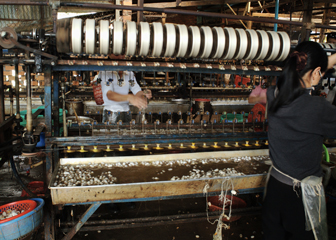
Metal and plastic workers typically need a high school diploma to enter the occupation and receive 1 year of on-the-job training. Computer numerically controlled (CNC) tool programmers typically need postsecondary education.
Education
Although metal and plastic machine workers typically need a high school diploma, CNC tool programmers usually need coursework beyond high school. Some community colleges and other schools offer courses and certificate programs in operating metal and plastics machines including CNC programming.
For metal and plastic machine workers, high school classes in computer programming, math, and vocational technology may be useful.
Training
Machine operator trainees usually begin by watching and helping experienced workers on the job. Under supervision, they may supply materials, start and stop the machines, or remove finished products. Then, they advance to operators’ more difficult tasks, such as adjusting feeds and speeds, replacing tools, and measuring finished products for conformance. Eventually, some operators develop the skills and experience to set up machines.
The complexity of the equipment usually determines the time required to become an operator. Some operators and tenders are trained on basic machine operations and functions in a few months. Others, such as CNC tool operators, may need training for up to 1 year.
Because of the prevalence of computerized machines in manufacturing, training on computer-aided design (CAD), computer-aided manufacturing (CAM), and CNC equipment may be helpful.
Licenses, Certifications, and Registrations
Certification can show competence and can be helpful for advancement. The National Institute for Metalworking Skills (NIMS) offers certification in numerous metalworking specializations.
Advancement
With skill and experience, workers may advance to positions that offer higher pay and more responsibility. It is common for machine operators to move into setup or machinery maintenance positions. Setup workers may become industrial machinery mechanics and maintenance workers, machinists, or tool and die makers.
Experienced workers with good communication and analytical skills may advance to supervisory positions.
Contacts for More Information
For more information about metal and plastic machine workers, including training and certification, visit
Fabricators & Manufacturers Association, International (FMA)
National Institute for Metalworking Skills (NIMS)
For information about manufacturing careers, machinery, and equipment, visit
Association for Manufacturing Technology (AMT)
National Tooling and Machining Association (NTMA)
Precision Machined Products Association (PMPA)
Precision Metalforming Association (PMA)
Occupational Requirements Survey
For a profile highlighting selected BLS data on occupational requirements, see
Cutting, punching, and press machine setters, operators, and tenders (PDF)
Similar Occupations
This table shows a list of occupations with job duties that are similar to those of metal and plastic machine workers.
| Occupation | Job Duties | Entry-Level Education | Median Annual Pay, May 2022 | |
|---|---|---|---|---|

|
Assemblers and Fabricators |
Assemblers and fabricators build finished products and the parts that go into them. |
High school diploma or equivalent | $37,930 |

|
Computer Programmers |
Computer programmers write, modify, and test code and scripts that allow computer software and applications to function properly. |
Bachelor's degree | $97,800 |

|
Industrial Machinery Mechanics, Machinery Maintenance Workers, and Millwrights |
Industrial machinery mechanics, machinery maintenance workers, and millwrights install, maintain, and repair factory equipment and other industrial machinery. |
High school diploma or equivalent | $59,470 |

|
Machinists and Tool and Die Makers |
Machinists and tool and die makers set up and operate equipment to produce precision metal parts, instruments, and tools. |
See How to Become One | $49,560 |

|
Painting and Coating Workers |
Painting and coating workers apply finishes, often using machines, to a range of products. |
See How to Become One | $43,370 |